Impact Modifiers are specialized polymer additives used to enhance the impact resistance
and toughness of thermoplastics and engineering plastics without significantly affecting other mechanical or thermal properties. These modifiers work by absorbing and dissipating stress energy when a plastic product is subjected to sudden force, thereby preventing cracking or breaking.
Impact modifiers are essential in applications where improved durability, weather resistance, and low-temperature performance are critical.

Key Features
- Increases impact strength and toughness
- Improves cold-weather performance
- Enhances dimensional stability and ductility
- Maintains clarity in transparent applications (in MBS types)
- Compatible with a wide range of polymers
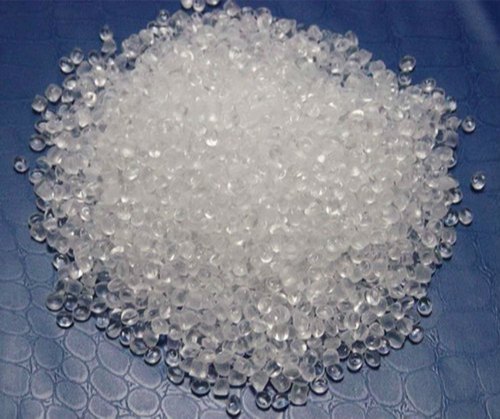
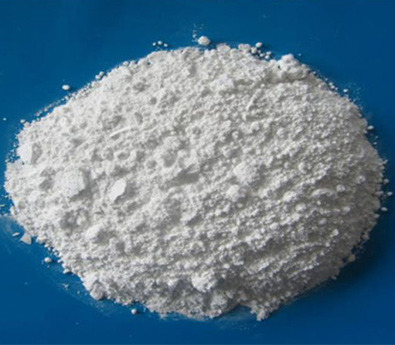
- Available in powder, granule, or pellet forms
- Grades available for indoor, outdoor, and high-heat conditions
Types of Impact Modifiers
| Type | Common Applications | Key Characteristics |
|---|---|---|
| CPE (Chlorinated Polyethylene) | PVC pipes, profiles, sheets | Excellent weather resistance, flame retardancy |
| MBS (Methacrylate-Butadiene-Styrene) | Transparent PVC, packaging | Maintains clarity, high impact |
| Acrylic Impact Modifiers (AIM) | Rigid PVC, window profiles | UV stable, good processability |
| EPDM/POE Elastomers | PP, PE compounds, automotive | Low-temperature toughness |
| ABS-based Modifiers | Polycarbonate blends, styrenics | High strength, excellent compatibility |
| TPU/TPE-based | Engineering plastics | Flexible, tough, easy to blend |
Main Applications
1. PVC Products
- Pipes, window profiles, siding, cable insulation
- CPE, MBS, and AIM modifiers used to enhance impact strength, processability, and UV stability
2. Automotive Components
- Used in bumpers, trims, dashboards
- Improves durability and resistance to cold weather impact
3. Packaging & Transparent Films
- MBS and other clear modifiers retain optical clarity while improving drop resistance
4. Electrical & Electronics
- Enhances dimensional stability and shock resistance in housings and insulation materials
5. Engineering Plastics
- Used in blends like PC/ABS, PBT, and nylon compounds to improve toughness and ductility
Technical Specifications (Typical Values — vary by grade)
| Property | Range |
|---|---|
| Appearance | White powder / pellets |
| Density | 0.9 – 1.2 g/cm³ |
| Melt Flow Index (MFI) | 1 – 20 g/10 min |
| Particle Size (powder) | 50 – 200 mesh |
| Impact Strength Increase | Up to 5–10× (depending on polymer) |
| Heat Resistance | Varies by modifier type |
| Compatibility | PVC, PP, PE, ABS, PC, etc. |
Packaging & Storage
- Available in 25 kg bags or 500 kg jumbo bags
- Store in a cool, dry area away from direct sunlight
- Shelf life: 12–24 months if properly stored