Titanium Dioxide (TiO₂) — Comprehensive Description
Titanium Dioxide (TiO₂) is an odorless, white, inorganic compound known for its exceptional opacity, whiteness, and brightness. It is one of the most important white pigments in the world, used extensively across multiple industries due to its high refractive index, chemical stability, and UV radiation resistance.
When finely ground, Titanium Dioxide scatters visible light extremely efficiently, which is why it imparts excellent whiteness and opacity to products.
Key Properties
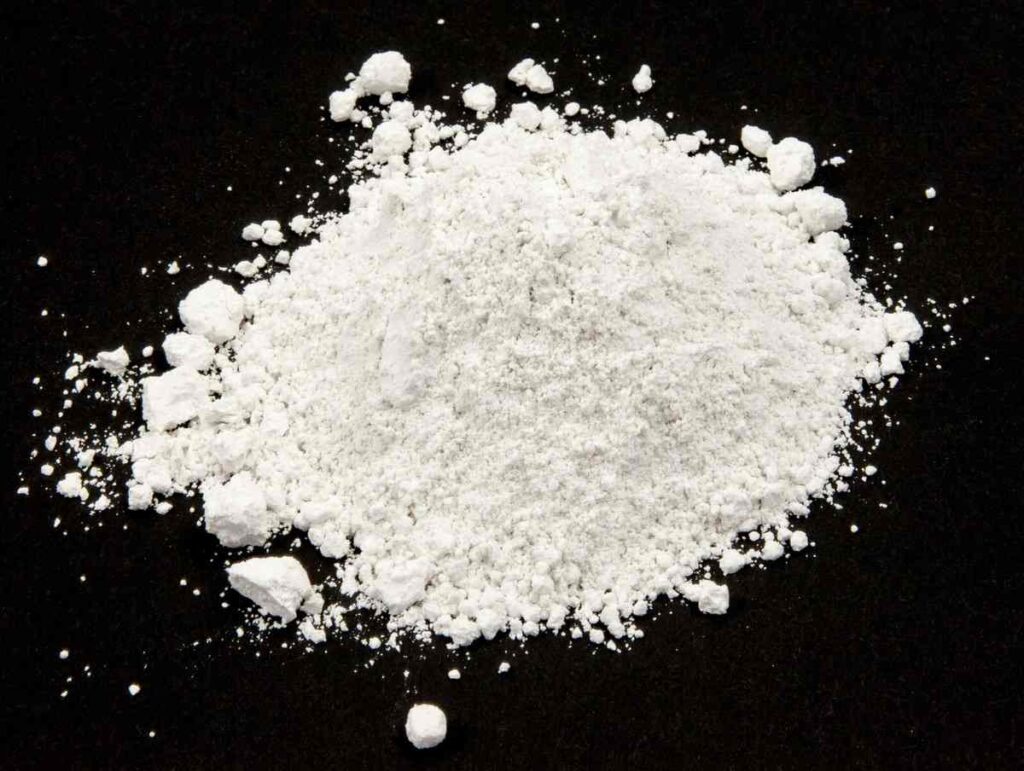
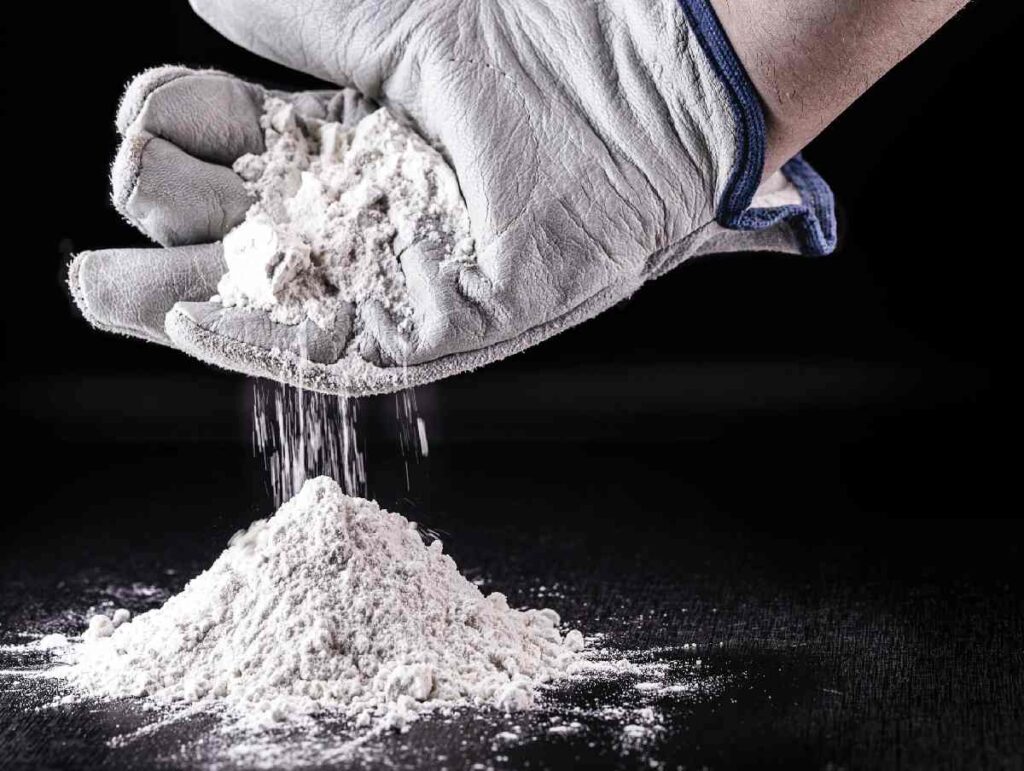
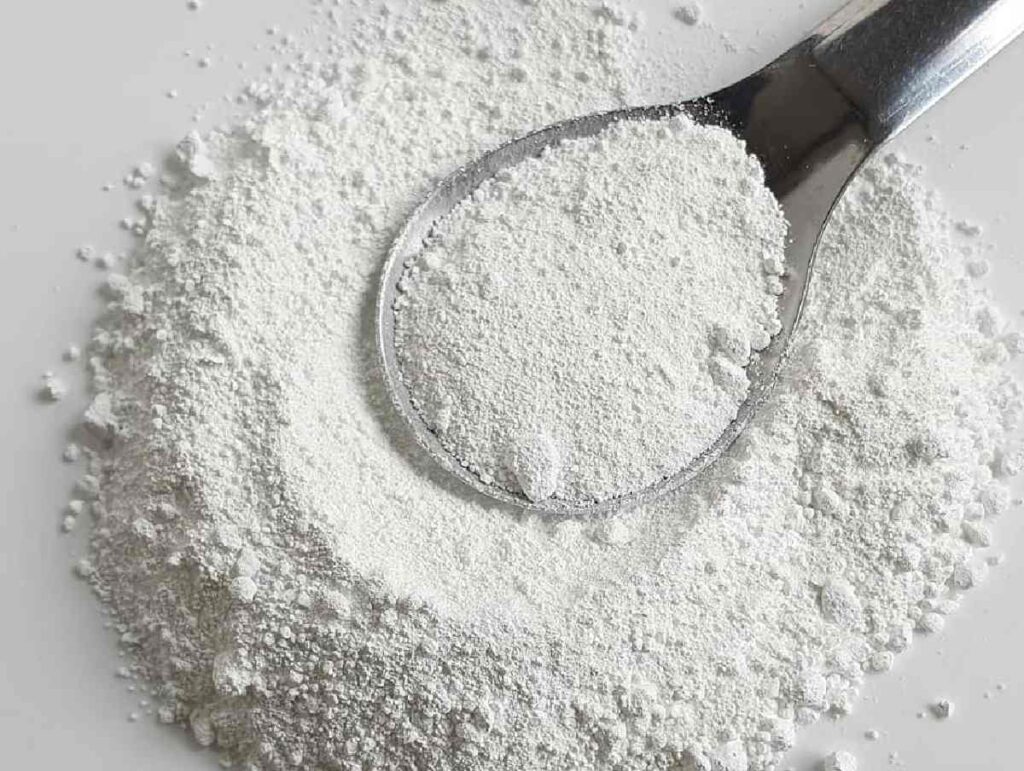
- Chemical Formula: TiO₂
- Appearance: White powder
- Refractive Index: ~2.7 (Rutile) – one of the highest among white pigments
- UV Stability: Excellent
- Non-toxic & chemically inert
- Insoluble in water
Applications
Industrial & Commercial Uses
- Plastics and Polymers: Acts as a UV absorber and opacifier in polyethylene, PVC, polystyrene, and polypropylene. Improves durability and weather resistance.
- Paints and Coatings: Primary white pigment offering brightness, color retention, and hiding power.
- Inks: Provides opacity and color intensity in printing and packaging inks.
- Paper: Used to enhance whiteness, opacity, and printability in high-grade papers.
- Cosmetics: Used in powders, creams, and sunscreens for its non-toxic, skin-safe UV blocking properties.
- Sunscreens: Acts as a physical blocker against UVA and UVB rays.
- Pharmaceuticals: Used as a coating pigment for tablets and capsules.
- Food Industry (E171): Acts as a colorant in candy, chewing gum, dairy products, and sauces (subject to regional regulations).
Types / Grades of Titanium Dioxide
1. Rutile Grade
- Structure: Tetragonal crystalline form
- Features: High refractive index, superior UV resistance, greater durability
- Usage: Outdoor coatings, automotive paints, plastics exposed to sunlight
2. Anatase Grade
- Structure: Tetragonal but less dense than rutile
- Features: Lower opacity but better dispersibility and blue tone
- Usage: Interior paints, paper, and ceramics
3. Food Grade (E171)
- Purity: Very high (typically >99%)
- Usage: As a white food coloring and additive; also used in pharmaceuticals (coatings and excipients)
4. Cosmetic Grade
- Processed for Safety: Ultrafine and skin-safe, often coated to reduce reactivity
- Usage: In foundations, face powders, sunscreens for UV blocking and whitening effects
Regulatory and Safety Notes
- Titanium Dioxide is generally recognized as safe (GRAS) by many international regulatory bodies.
- Inhalation of powdered TiO₂ in large quantities over prolonged exposure may raise occupational health concerns.
- Food grade TiO₂ (E171) is under review in some regions (e.g., Europe), and its use in food products is being restricted or banned due to evolving safety research.
- Cosmetic and industrial grades are unaffected and widely used.
Packaging & Storage
- Typically packed in 25 kg or jumbo bags
- Store in cool, dry place away from moisture
- Shelf life: Stable indefinitely if properly stored